
Aortic Surgery
When the body's largest artery is diseased — whether aneurysm, dissection, or root pathology — precise aortic surgery can save lives and restore confidence.
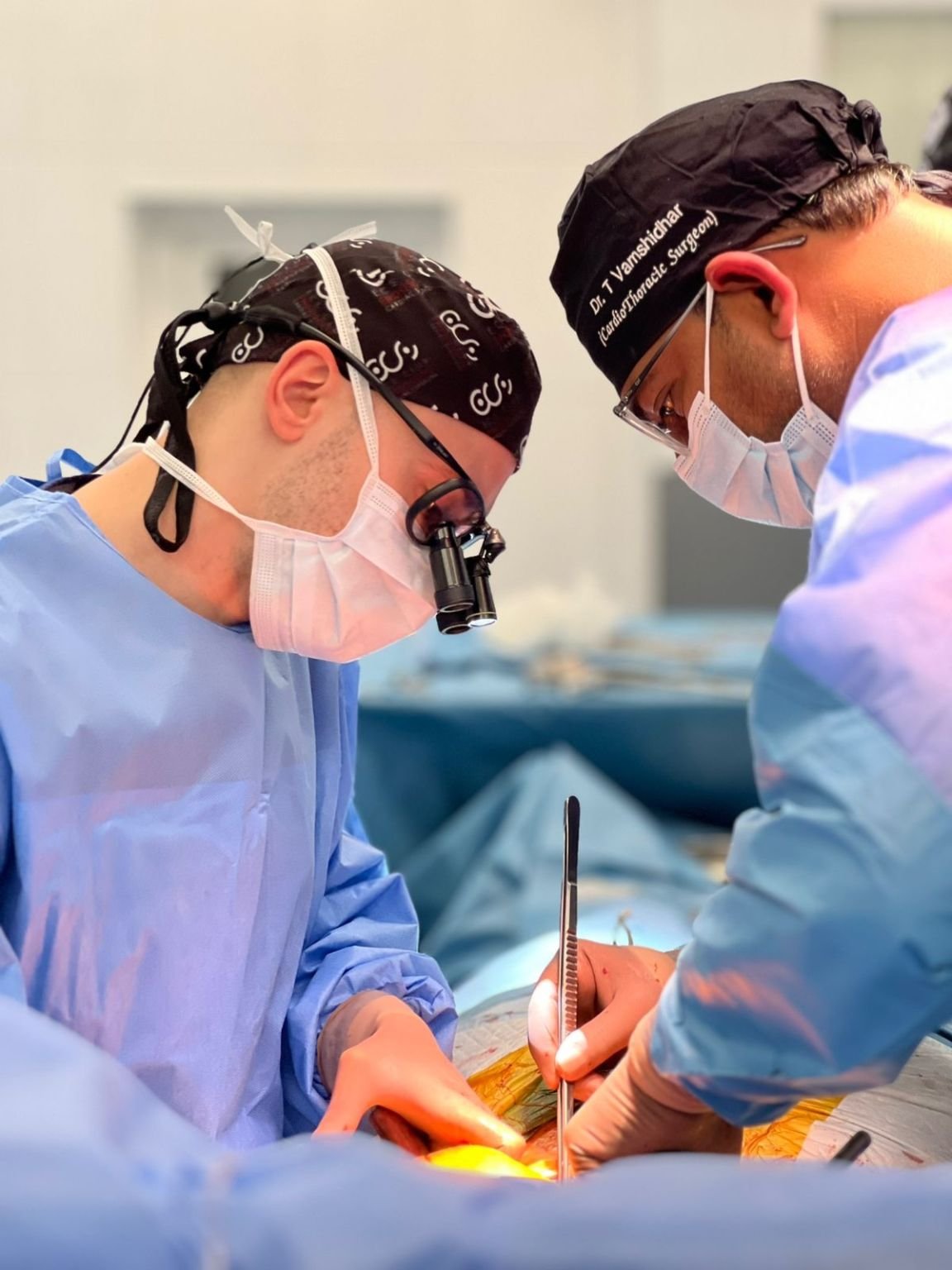
What is aortic surgery?
The aorta carries blood from the heart to the entire body. Disease of the aorta — including aneurysms (enlargement), dissections (tears in the wall), and root pathology — requires highly specialised surgical care.
Aortic surgery ranges from replacing a segment of the ascending aorta to complex root replacement involving the aortic valve. These operations demand deep expertise and meticulous planning.
Early intervention before rupture or dissection progression is critical. Modern techniques and experienced teams have significantly improved outcomes.
Why timely aortic surgery
Prevents catastrophic events
Repairing an aneurysm before rupture saves lives.
Preserves aortic valve
Valve-sparing root replacement maintains your own valve when possible.
Addresses dissection
Emergency and elective dissection repair restores stable aortic architecture.
Expert multidisciplinary care
Imaging, genetics, and surgical planning combined for optimal outcomes.
Who needs aortic surgery?
Indications are based on aortic size, growth rate, symptoms, and underlying conditions such as connective tissue disorders.
You may be a candidate if
- Ascending aortic aneurysm above threshold diameter
- Aortic root aneurysm or dilation
- Type A aortic dissection (emergency)
- Connective tissue disorders (Marfan, Loeys-Dietz, bicuspid aortic valve)
- Symptomatic aortic disease regardless of size
How aortic surgery works
Each operation is individually planned using CT angiography and sometimes 3D modelling.
- 1
Detailed imaging
CT and MRI define aortic anatomy, branch vessel involvement, and the extent of replacement needed.
- 2
Cardiopulmonary bypass
The heart and aorta are accessed. Circulation may be supported with heart-lung bypass and, for arch surgery, circulatory arrest.
- 3
Aortic replacement
Diseased segments are replaced with Dacron grafts. Valve-sparing or composite root replacement is performed as planned.
- 4
Reconstruction & monitoring
Branch vessels are reconnected. Intensive monitoring continues through recovery.
Recovery after aortic surgery
ICU and high-dependency care. Blood pressure tightly controlled.
Gradual mobilisation. Lifelong blood pressure management begins.
Serial imaging to monitor remaining aorta. Genetic counselling if indicated.
Tips for recovery
- Strict blood pressure control is essential for graft and remaining aorta longevity.
- Avoid heavy lifting until cleared by your surgeon — typically 8–12 weeks.
- Family screening may be recommended for hereditary aortic conditions.
Frequently asked questions
Discuss your options with an expert
Book a consultation with Dr. Vamshidhar Tirunagari to understand whether Aortic Surgery is right for you.