
Coronary Artery Bypass Grafting
When arteries that supply blood to the heart become blocked, bypass surgery creates new routes — restoring flow, relieving symptoms, and protecting the heart for years to come.
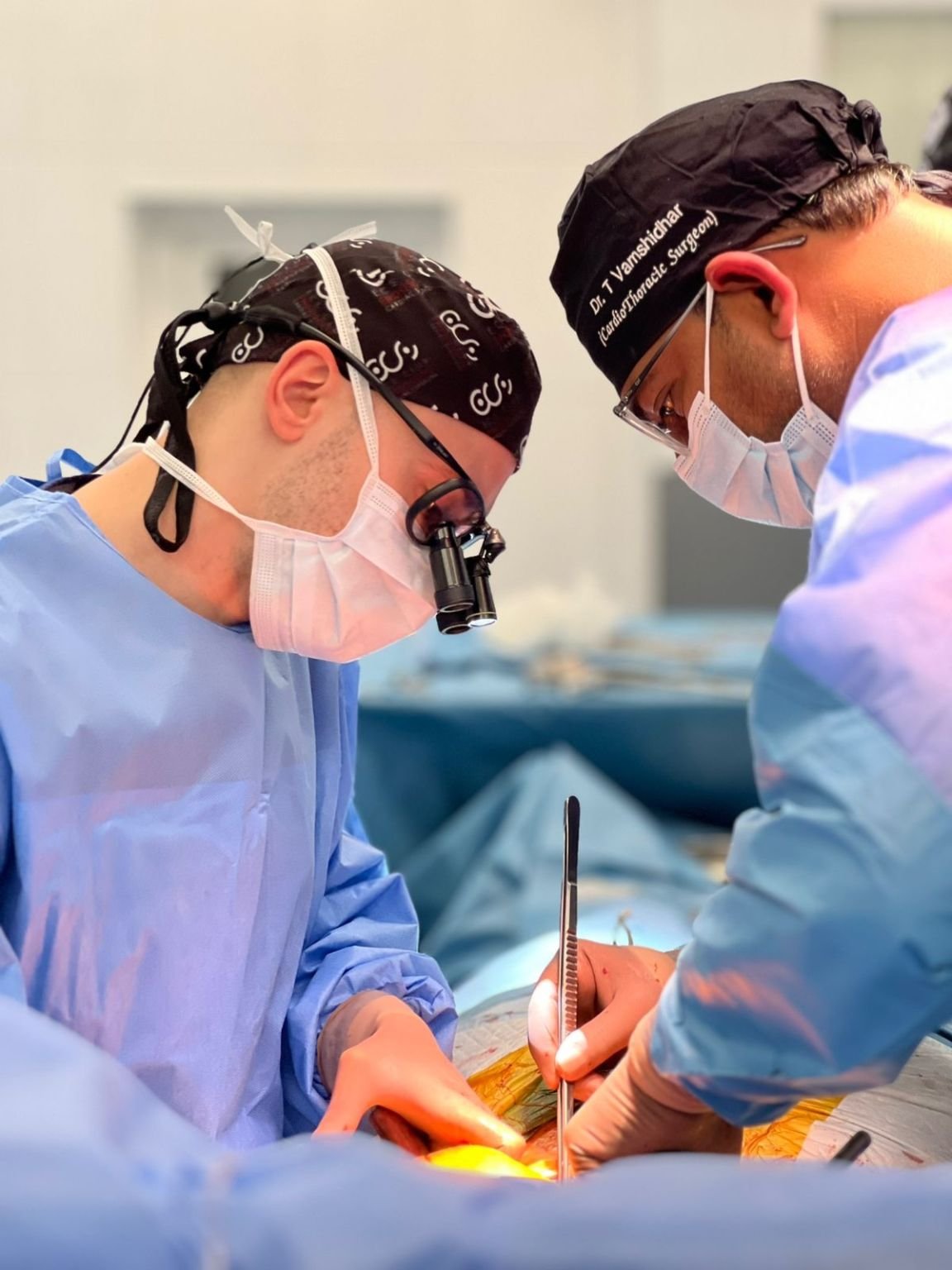
What is CABG?
Coronary Artery Bypass Grafting (CABG) is one of the most established and life-saving operations in cardiac surgery. It is performed when one or more coronary arteries are narrowed or blocked, limiting blood flow to the heart muscle.
During the procedure, a healthy blood vessel — often taken from the chest, leg, or arm — is connected beyond the blockage, creating a new pathway for oxygen-rich blood to reach the heart.
For many patients, CABG offers the most durable solution for complex coronary disease, especially when multiple vessels are involved or when other treatments are not suitable.
Why choose bypass surgery
Relief from angina
Most patients experience significant reduction in chest pain and breathlessness.
Long-term durability
Bypass grafts, especially arterial grafts, can provide excellent long-term results.
Protection of heart function
Restoring blood flow helps preserve the heart muscle and reduces future risk.
Minimally invasive options
Selected patients may be candidates for MICS CABG through a small incision.
Who is it for?
CABG is recommended when coronary blockages are significant and symptoms or test results indicate the heart is at risk.
You may be a candidate if
- Multiple blocked coronary arteries
- Left main coronary artery disease
- Diabetes with complex coronary disease
- Failed angioplasty or stenting
- Severe angina not controlled by medication
May not be suitable when
- Very frail patients where risks outweigh benefits (assessed individually)
- Active infection or uncontrolled bleeding disorder
How the surgery works
Every CABG is planned individually. The operation is performed under general anaesthesia in a dedicated cardiac operating theatre.
- 1
Preparation & anaesthesia
You are carefully monitored throughout. The surgical team prepares graft vessels and establishes heart-lung bypass when needed.
- 2
Graft harvesting
A suitable artery or vein is prepared — commonly the internal mammary artery (LIMA), which offers excellent long-term results.
- 3
Bypass creation
Grafts are sewn beyond each blockage, restoring blood flow to affected areas of the heart muscle.
- 4
Closure & recovery start
The chest is closed, and you are transferred to intensive care for close monitoring as you wake.
Recovery expectations
Intensive care monitoring. Breathing exercises and early mobilisation when safe.
Discharge planning begins.
Home recovery. Cardiac rehabilitation, wound care, return to light daily activities.
Progressive return to work and exercise as advised by your care team.
Tips for recovery
- Attend all follow-up appointments and cardiac rehabilitation sessions.
- Take prescribed medications consistently — they protect your grafts and heart.
- Report any fever, wound redness, or unusual breathlessness promptly.
Frequently asked questions
Discuss your options with an expert
Book a consultation with Dr. Vamshidhar Tirunagari to understand whether CABG is right for you.