
Heart Valve Surgery
When a heart valve fails to open or close properly, surgery can restore normal flow — repairing your own valve whenever possible, or replacing it when repair is not feasible.
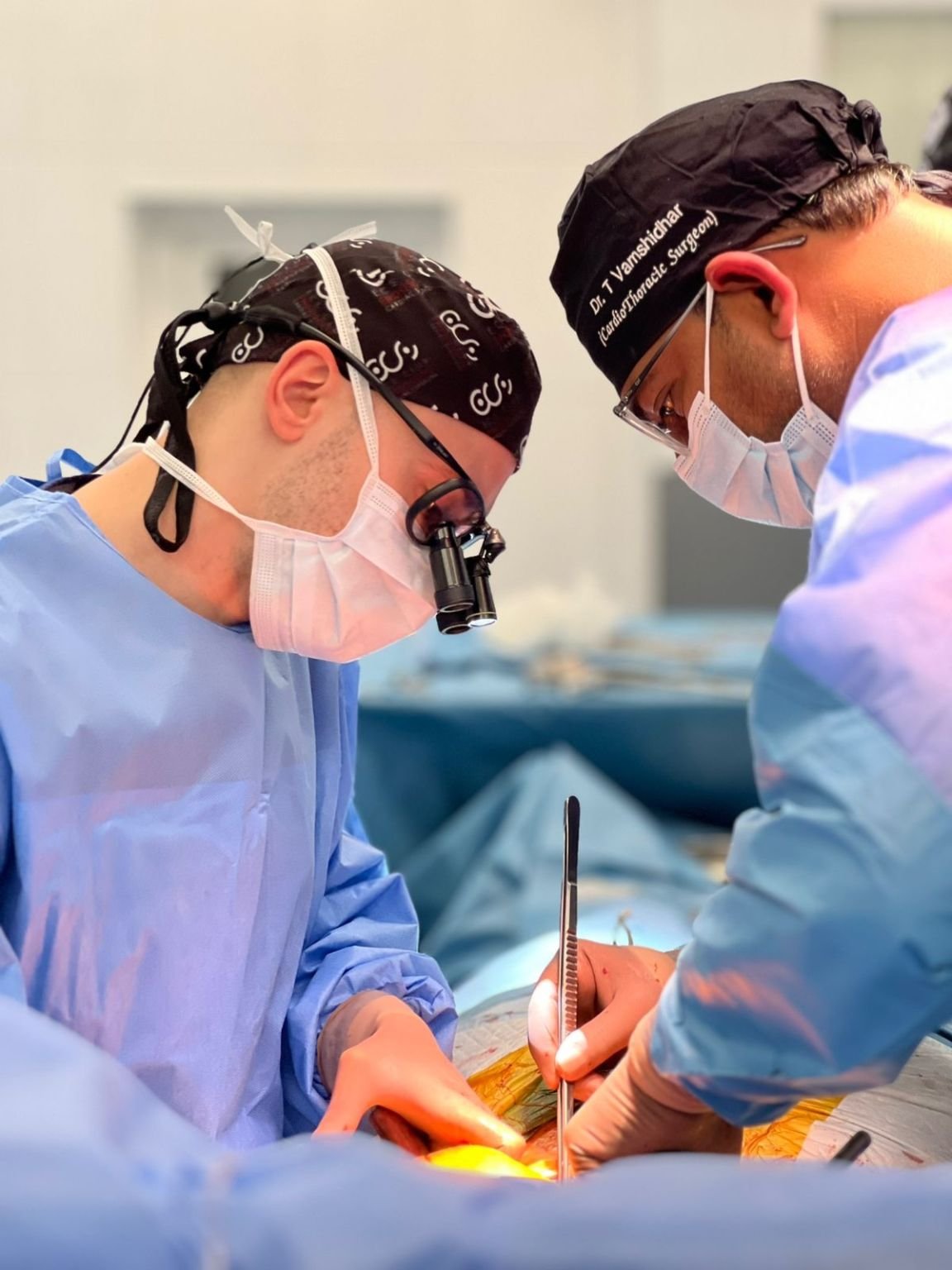
Understanding valve surgery
The heart has four valves that ensure blood flows in one direction. When a valve becomes narrowed (stenosis) or leaks (regurgitation), the heart must work harder — leading to breathlessness, fatigue, and eventually heart failure.
Valve surgery aims to restore normal valve function. Wherever possible, repair is preferred over replacement — preserving your own tissue and avoiding lifelong anticoagulation in many cases.
Minimally invasive approaches allow selected patients to undergo valve surgery through a small incision with faster recovery.
Why valve surgery matters
Symptom relief
Breathlessness, swelling, and fatigue often improve dramatically after successful surgery.
Repair when possible
Valve repair preserves natural function and avoids prosthetic valve complications.
Minimally invasive options
MICS valve surgery through keyhole incisions for suitable candidates.
Long-term heart protection
Correcting valve disease prevents progressive heart failure.
When is valve surgery needed?
The decision is based on valve severity, symptoms, heart function, and overall health.
You may be a candidate if
- Severe aortic or mitral stenosis with symptoms
- Severe regurgitation with heart enlargement or symptoms
- Asymptomatic severe disease with evidence of heart strain
- Failed previous valve intervention
- Combined valve and coronary disease
How valve surgery works
The approach — repair vs replacement, open vs minimally invasive — is tailored to each patient.
- 1
Valve assessment
Echocardiography and sometimes cardiac MRI define valve anatomy and the best surgical strategy.
- 2
Access & exposure
The heart is accessed through a sternotomy or minimally invasive incision depending on the plan.
- 3
Repair or replacement
Damaged valve tissue is repaired with rings or patches, or the valve is replaced with a mechanical or tissue prosthesis.
- 4
Testing & closure
Valve function is verified with echocardiography before the chest is closed.
Recovery after valve surgery
Hospital stay with ICU monitoring, anticoagulation if a mechanical valve is placed.
Home recovery with cardiac rehabilitation and wound care.
Progressive return to full activity. Lifelong follow-up with echocardiography.
Tips for recovery
- Take anticoagulation exactly as prescribed if you have a mechanical valve.
- Endocarditis prevention: maintain dental hygiene and treat infections promptly.
- Attend all scheduled echocardiogram follow-ups.
Frequently asked questions
Discuss your options with an expert
Book a consultation with Dr. Vamshidhar Tirunagari to understand whether Valve Surgery is right for you.